Dallas weather doesn’t stay predictable for long. One week it’s blazing hot, the next there’s a sudden drop in temperature. While most people think about how that affects comfort, your garage floor is quietly reacting to every shift.
Over time, these temperature swings can cause stress, expansion, and surface breakdown—especially on untreated concrete. That’s why modern garage flooring systems are engineered to handle more than just daily use. They’re built to adapt to the environment.
Dallas Garage Flooring: Built to Handle Expansion and Contraction
Concrete naturally expands when temperatures rise and contracts when they fall. In Dallas, where extreme heat meets sudden cool fronts, this constant movement can lead to:
- Surface cracking
- Joint separation
- Coating failure or peeling
- Uneven wear patterns
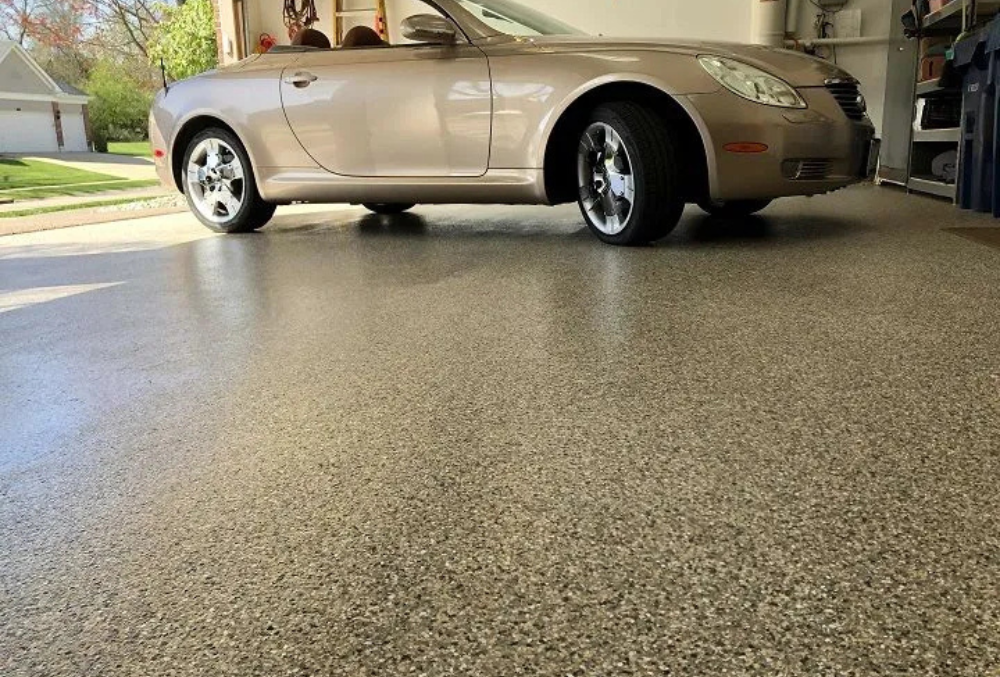
High-performance Dallas garage flooring systems are designed to move with the concrete—not against it. Instead of rigid finishes that crack under pressure, modern coatings provide flexibility while maintaining strength.
If you’re considering upgrading your surface, exploring professional-grade solutions like Dallas garage flooring can help you understand how these systems are built for long-term durability.
Garage Floor Coating Dallas: Why Temperature Resistance Matters
Not all coatings respond the same way to temperature changes. Basic sealers may look good at first, but they often fail when exposed to Dallas conditions.
A high-quality garage floor coating Dallas system is engineered to:
- Resist thermal expansion stress
- Maintain strong adhesion through seasonal changes
- Prevent moisture intrusion during temperature shifts
- Withstand UV exposure without fading or weakening
This is especially important in garages that are partially exposed to outdoor air, where temperature changes happen faster and more frequently.
For homeowners looking to combine durability with high-end design garage flooring, this breakdown on premium finishes is worth exploring.
The Science Behind Temperature Movement in Garage Floors
Temperature swings create a cycle of expansion and contraction that can slowly weaken unprotected concrete.
Here’s what happens beneath the surface:
- Heat causes expansion: Concrete slightly increases in size under high temperatures
- Cooling causes contraction: The material shrinks when temperatures drop
- Repeated cycles create stress: Over time, this leads to micro-cracks and surface fatigue
Without a protective system, these small changes add up—eventually leading to visible damage.
Advanced coatings act as a buffer layer, absorbing movement while protecting the structural integrity of the slab.
How Modern Garage Flooring Systems Adapt
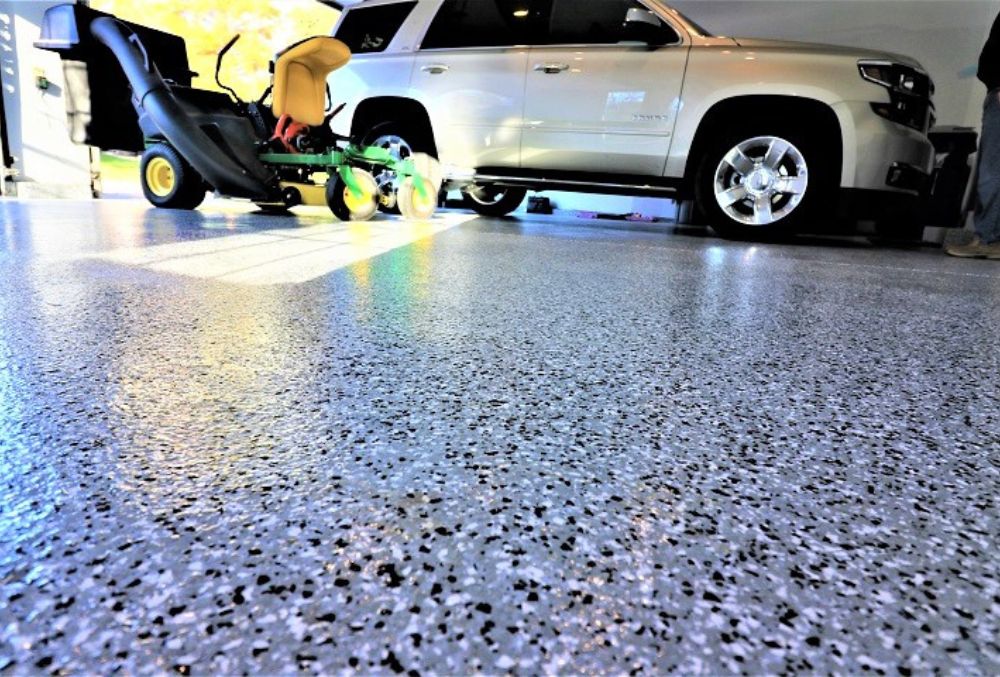
Today’s garage flooring solutions are built with multiple layers, each serving a purpose in managing environmental stress.
Key features include:
Flexible Base Layers
Epoxy primers create strong adhesion while allowing slight movement.
Impact-Resistant Mid Coats
These layers absorb stress from both temperature changes and heavy use.
Polyaspartic or Polyurea Topcoats
Designed for flexibility and UV resistance, these finishes help prevent cracking and fading.
This layered system allows the floor to expand and contract without breaking down—something standard coatings simply can’t do.
Dallas Climate Challenges That Impact Garage Floors
Dallas isn’t just hot—it’s unpredictable. Garage floors here deal with:
- Intense summer heat that pushes surface temperatures higher than expected
- Sudden cold fronts that create rapid contraction
- Humidity fluctuations that introduce moisture into the concrete
- UV exposure that weakens unprotected surfaces over time
These conditions make it essential to choose a flooring system specifically designed for this environment.
Signs Your Garage Floor Is Struggling With Temperature Swings
If your current floor isn’t built for Dallas conditions, the warning signs usually show up early:
- Hairline cracks spreading across the surface
- Peeling or flaking coatings
- Fading or discoloration from UV exposure
- Rough or uneven texture developing over time
These issues often indicate that the material isn’t adapting well to temperature changes.
Long-Term Benefits of Temperature-Resistant Garage Flooring
Upgrading to a high-performance system isn’t just about fixing current issues—it’s about preventing future ones.
Benefits include:
- Longer lifespan with fewer repairs
- Stronger resistance to cracking and surface damage
- Consistent appearance despite weather changes
- Lower maintenance over time
For Dallas homeowners and businesses, this means a floor that holds up year after year—without constant upkeep.
Why More Dallas Property Owners Are Upgrading
As more people understand how temperature swings impact concrete, there’s a growing shift toward smarter flooring solutions.
Instead of reacting to damage, property owners are investing in systems that prevent it from happening in the first place. It’s a proactive approach that saves time, money, and frustration.
Final Thoughts: Flooring That Works With the Climate
Dallas weather isn’t something you can control—but your garage floor’s performance is. Choosing a system designed to handle expansion, contraction, and environmental stress ensures your space stays functional and visually appealing over time.
If your current floor is showing signs of wear, it may not be built for the conditions it’s facing. A properly installed, temperature-resistant system can make all the difference—keeping your garage looking clean, durable, and ready for whatever the weather brings.