Dallas summers are long, bright, and hot, and an open slab in full afternoon sun can sit unused for months at a time. The fix is shade. The right covered patio ideas turn a sun-baked backyard into an outdoor living space your family actually uses from spring through fall, and it all starts with a well-planned concrete patio design and installation underneath.
This guide covers the shade structures that work best in North Texas, the concrete finishes that stay cooler underfoot, outdoor living layouts built around shade, and what to plan into the slab before any cover goes up.
Quick answer: The best covered patio ideas for Dallas heat combine three things: a shade structure sized to block the afternoon sun (a solid patio cover, a louvered pergola, or shade sails), a light-colored, cool-touch concrete finish on any area that stays in the sun, and a layout that puts seating, dining, and cooking under the shade while open-flame features stay in the open air.
Why Shade Matters More for a Dallas Patio
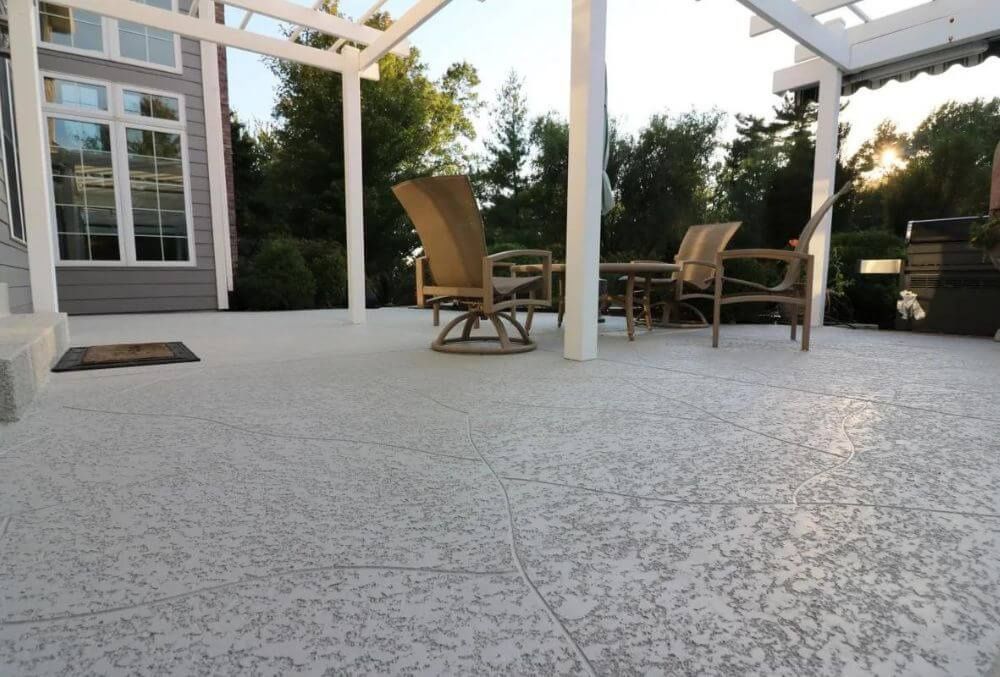
In much of the country, an outdoor patio is a summer space. In Dallas, summer is the season that keeps people indoors. Strong overhead sun heats both the air and the surface you walk on, and west-facing backyards take the hardest hit in late afternoon, right when most families want to be outside. Spring storms bring heavy rain and hail, too.
A covered patio solves both problems. It blocks direct sun from the seating area, keeps the slab beneath it cooler, and gives you a dry place to sit through a passing storm. Many homeowners find a well-shaded patio adds months of comfortable outdoor time each year.
Covered Patio Ideas: Choosing the Right Shade Structure
Not every shade structure works the same way. These are the most practical patio cover ideas and patio shade ideas for Dallas backyards, from full protection to flexible, partial shade.
Solid-Roof Patio Covers
An attached patio cover with a solid roof gives the most shade and full rain protection. It ties into the roofline of the house, so it feels like a true extension of your living space, much like a back porch. Solid covers are the best base for ceiling fans, lighting, and outdoor TVs, and they keep furniture and cushions dry. The trade-off is that they can make nearby interior rooms darker, so placement and roof height matter.
Pergolas with Louvers or Shade Panels
A traditional open pergola looks great but filters only part of the sun, which is often not enough for a Dallas July. Adding adjustable louvers, a polycarbonate panel roof, or fabric shade panels turns a pergola into real shade while keeping its open, airy look. Louvered systems let you open the roof on mild days and close it in the heat of the afternoon or during rain.
Shade Sails
Shade sails are tensioned fabric panels anchored to posts or the house. They are a flexible, lower-commitment way to shade an existing patio space, and layered sails at different heights create a modern look. Because they are anchored at points, the posts need solid footings, and sails should be taken down or loosened ahead of strong storms.
Freestanding Pavilions and Cabanas
A freestanding pavilion or cabana creates a shaded destination away from the house, ideal for a pool area or the far side of a large yard. It can hold an outdoor kitchen, a lounge, or a dining table, and it connects back to the house with a concrete walkway. For more poolside inspiration, see these ideas for transforming your pool area into an outdoor retreat.
Retractable Shades and Screens for Low Western Sun
Even under a roof, low afternoon sun can slip in from the side. Exterior roll-down solar screens or retractable side shades on the west-facing edge of a covered patio block that low-angle glare and heat, and many styles also help keep insects out in the evening.
| Shade Option | Shade Level | Rain Protection | Best For |
| Solid-roof patio cover | Full | Yes | Outdoor living rooms, TVs, fans, year-round use |
| Louvered or paneled pergola | Adjustable, high | Yes when closed or paneled | Flexible shade with an open look |
| Open pergola | Partial | No | Style and filtered light, paired with plants or panels |
| Shade sails | Partial to high | Limited | Shading an existing patio, modern look |
| Pavilion or cabana | Full | Yes | Poolside or detached outdoor rooms |
| Solar screens / side shades | Side shade | Limited | Blocking low western sun under a cover |
Cool-Surface Concrete Finishes for Covered Patios
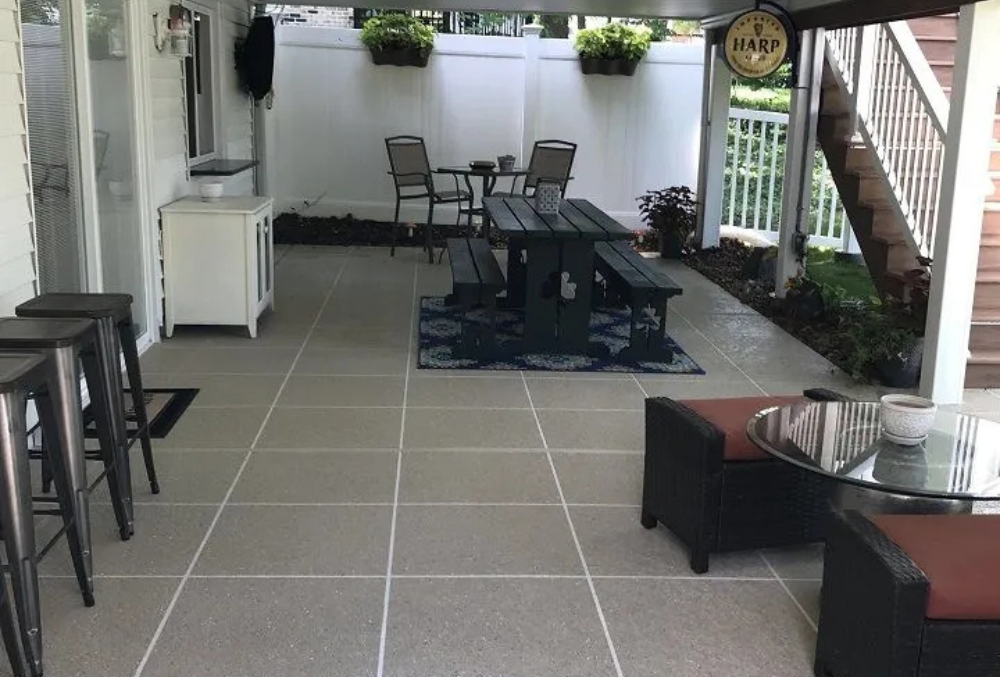
Shade is only half the equation. The surface underfoot affects comfort too, especially on patio edges, walkways, and any part of the patio that sits outside the cover for part of the day. A covered concrete patio gives you more finish freedom under the roof and calls for cooler, grippier finishes in the sun.
Light-Colored Knockdown Texture
A knockdown texture finish in a light color is one of the most popular choices for sun-exposed patio areas in Dallas. The hand-applied texture adds grip for bare feet, and light tones absorb less heat than dark concrete, so the surface stays more comfortable in summer.
Light Integral Color
Color mixed into the concrete before the pour runs all the way through the slab. Choosing light integral color such as sand, buff, or light gray keeps the patio cooler than darker tones while matching your home’s brick, stone, or trim.
Broom and Light Textured Finishes
A simple broom finish in a light tone is a practical, budget-conscious choice for the uncovered parts of a patio and for walkways that connect the covered area to the yard. It offers good traction when wet.
Polyaspartic Coatings Under the Cover
Under a solid roof, the slab is protected from most direct sun and rain, which makes it a great place for a decorative coating. A polyaspartic coating is UV-stable, easy to wipe clean, and resists grease and food stains, which makes it a strong match for covered outdoor kitchens and dining areas.
Exposed Aggregate
Exposed aggregate reveals the natural stone in the concrete for a textured, slip-resistant surface that hides dirt well. Lighter aggregate blends work best in sunny spots.
A practical rule of thumb: use the most decorative, easy-clean finishes under the roof, and keep cool-touch, light-colored textures on every surface the sun reaches.
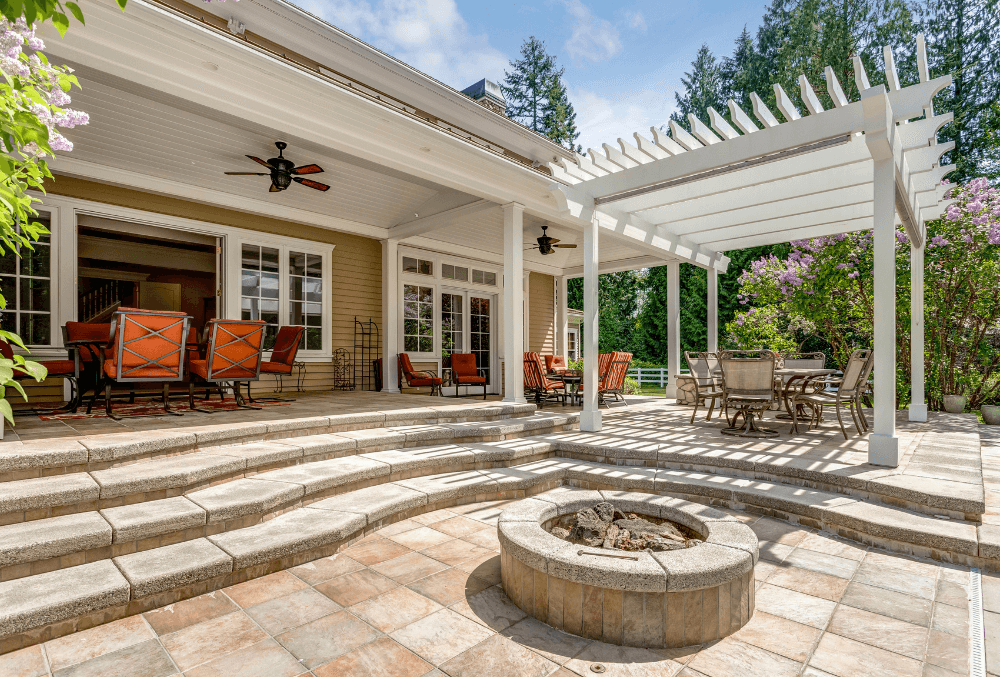
Covered Outdoor Living Layouts That Work in Dallas Heat
The best covered patio ideas put the right activities in the right zones. These layouts work especially well for North Texas backyards.
Covered Lounge with an Open-Sky Fire Pit
Place sofas and lounge chairs under the cover, then extend the slab into the open for a fire pit area a few steps away. You get shade by day and an open-air gathering spot on cooler evenings. For layout inspiration, browse these fire pit patio ideas built with decorative concrete.
Covered Outdoor Kitchen and Dining
An outdoor kitchen under a solid roof protects appliances and keeps the cook out of the sun. Plan the kitchen near the house for easy access to utilities, with a thicker, reinforced section of slab under counters and built-in grills, and keep the dining table right beside it in the shade. Grills and smokers need proper clearance and ventilation, so follow the manufacturer’s guidance for use under a roof.
Two-Zone Patio: Shaded Core, Sunny Edge
Many Dallas families want both shade and sun. A two-zone patio keeps the main seating and dining area under a cover and extends an uncovered section for sunbathing, kids’ play, or potted plants. A decorative border or a change in finish between the two zones makes the transition feel intentional.
Screened Outdoor Room
Adding screens to a covered patio creates a true outdoor room that keeps out insects on summer evenings. Pair it with ceiling fans and a light-colored floor finish, and it becomes the most-used room in the house for much of the year.
Poolside Shade Pavilion
A pavilion or cabana between the house and the pool gives swimmers a shaded place to rest, eat, and change. Connect it to the patio with a continuous concrete surface so the backyard reads as one design.
Plan the Slab Before the Cover Goes Up
The most common covered patio mistake is pouring the slab first and thinking about the cover later. A few decisions made before the pour save time, money, and rework.
- Footings for posts: patio cover and pergola posts need properly sized footings. Plan their locations before the pour so the slab and footings work together, even if the cover is added later.
- Slope and drainage: a covered patio still needs to slope away from the house, and the cover’s gutters or roof runoff should drain away from the slab instead of onto it.
- Conduit for fans, lights, and outlets: running electrical conduit under or alongside the slab before the pour is far easier than cutting into concrete afterward.
- Expansive clay soil: much of the Dallas area sits on clay that swells and shrinks with moisture. A well-compacted base and solid reinforcement help both the slab and the cover posts stay stable.
- Permits and HOA rules: many cities in the metroplex require a permit for an attached patio cover, and many HOAs have rules on size, setbacks, and materials. Check before construction starts.
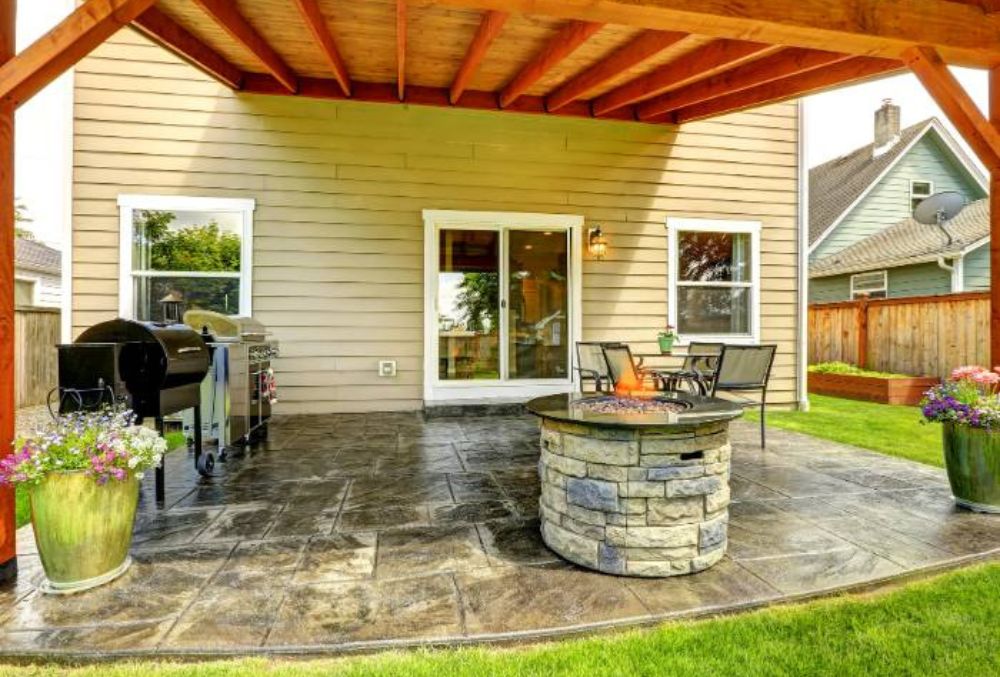
Finishing Touches That Keep a Covered Patio Cool
- Ceiling fans: outdoor-rated fans keep air moving and make shade feel noticeably cooler.
- Orientation: put the deepest shade on the west and southwest sides, where the afternoon sun is strongest.
- Roof height and airflow: a higher roof lets hot air rise away from seating; open sides keep breezes moving.
- Light colors overhead and underfoot: light ceilings and floors reflect heat instead of soaking it up.
- Misting systems: a perimeter misting line can take the edge off peak heat around seating and dining.
- Plants at the edges: trees and tall planters soften the hard edges of the slab and add shade where the cover ends.
What Affects the Cost of a Covered Patio
Every covered patio is different, so the price depends on your yard and your plans rather than a single number. The main factors are the size of the patio and the covered area, the type of shade structure, the concrete finish and color, how much site preparation and drainage work the yard needs, post footings and reinforcement for clay soil, electrical work for fans and lighting, and permit or HOA requirements. The most reliable way to know your cost is to ask the company directly for an itemized, on-site estimate, since that is the only way to account for your soil, slope, access, and the cover you have in mind.
Before you decide, see covered and open patio projects in Dallas backyards for finish and layout ideas.
Plan Your Covered Patio with Dallas Decorative Concrete
Ready to turn your covered patio ideas into a backyard you can enjoy all summer? Dallas Decorative Concrete designs and installs custom concrete patios and outdoor solutions across the Dallas–Fort Worth area, with slabs planned around your shade structure and cool-touch finishes built for Texas heat. Call (972) 808-5281 or request a free estimate online.
Frequently Asked Questions About Covered Patios
What is the best type of patio cover for Dallas heat?
For the most shade and full rain protection, a solid-roof patio cover attached to the house is the best choice in Dallas. If you want an open look with flexible shade, a pergola with adjustable louvers or shade panels is a strong alternative. Shade sails work well for adding shade to an existing patio. Whatever you choose, place the deepest shade on the west side, where the afternoon sun is strongest.
What concrete finish stays coolest on a patio?
Light-colored, textured finishes stay the most comfortable in the sun. A light knockdown texture is a popular choice in Dallas because it adds grip and absorbs less heat than dark concrete. Light integral color and light broom finishes also help. Under a solid patio cover, the surface stays shaded, so you can use more decorative finishes there.
Is a pergola enough shade for a Dallas summer?
An open pergola filters some sunlight but usually is not enough on its own for peak Dallas summer heat. Adding adjustable louvers, a panel roof, fabric shade panels, or climbing plants turns a pergola into much more effective shade, and louvered or paneled roofs add rain protection too.
Can you add a cover to an existing concrete patio?
Often, yes. Shade sails and some lightweight covers can be added to an existing patio, but heavier patio covers and pergolas need properly sized footings for their posts. A contractor should check the slab’s thickness, condition, and drainage, along with where the footings can go, before a cover is installed.
Can you put a fire pit under a covered patio?
Open wood-burning fire pits generally should not go under a patio cover because of smoke, heat, and fire risk. A popular layout is to keep seating under the cover and place the fire pit on an uncovered section of the patio nearby. If you want a fire feature under the roof, ask about options designed for covered spaces and follow the manufacturer’s clearance requirements and local codes.
Do I need a permit for a covered patio in Dallas?
Many cities in the Dallas area require a building permit for an attached patio cover or a large pergola, and many HOAs have their own approval process and design rules. Requirements vary by city, so check with your city and HOA before construction begins.
How do I keep water from pooling on a covered patio?
Pour the slab with a slight slope away from the house, and make sure the patio cover’s gutters or roof runoff are directed away from the slab and the foundation. Planning drainage before the pour is the most reliable way to keep a covered patio dry.