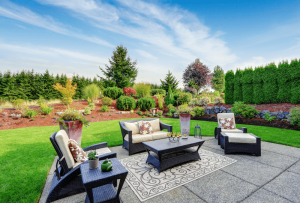
Choosing between cool deck and pavers is one of the biggest decisions in any Dallas pool project. The surface around your pool has to handle triple-digit summer days, wet bare feet, pool chemicals, spring storms, and the shifting clay soil found across North Texas. Both are popular pool deck materials, and both can look great. They just solve different problems. This cool deck vs. pavers guide compares the two side by side so you can choose with confidence before you plan your concrete pool decks in Dallas project. Whichever surface you pick, this outdoor upgrade will shape how your whole outdoor space and pool area look and feel for years.
We’ll cover heat, slip resistance, how each surface handles clay soil, maintenance, what drives cost, and which one fits different backyards.
Quick answer: Cool deck is usually the better choice when a cooler surface for bare feet, a seamless look, and easy cleaning matter most. Pavers are the better choice when you want the look of stone or brick and a surface that flexes with soil movement, since single units can be lifted and reset. In Dallas, where summer heat is the number one complaint around pools, many homeowners lean toward a light-colored cool deck.
What Is Cool Deck?
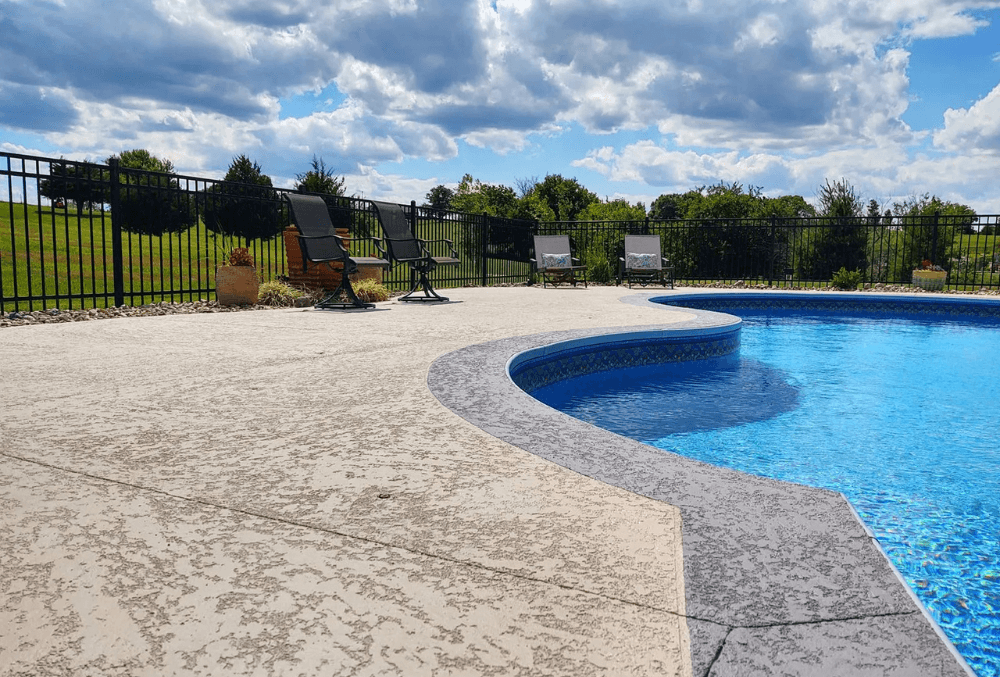
Cool deck is a thin, textured topping applied over a concrete pool deck. It is sprayed or troweled on, then knocked down into a fine, slightly raised texture, usually in light colors such as white, tan, buff, or light gray. The name comes from Kool Deck, an early brand of the product, and today “cool deck” or “cool decking” is the common name for this type of light, heat-reducing finish.
Two things make cool deck feel cooler: its light color reflects more sunlight than plain or dark concrete, and its texture means less of your foot touches the surface. It is closely related to a knockdown texture ( finish, which is also popular on Dallas pool decks for its grip. Cool deck can go on a new concrete deck or, in many cases, over an existing deck that is still structurally sound. Among its unique benefits are minimal maintenance and a heat-reducing surface, which is why it is one of the most popular options for Dallas pool decks.

What Are Pool Deck Pavers?
Pool deck pavers are individual units set side by side to form the deck. The most common types are concrete pavers, natural stone such as travertine, and clay brick. They are usually installed over a compacted gravel base with a sand bed, then locked in place with an edge restraint and sand in the joints. Some pavers are mortared onto an existing concrete slab instead.
Pavers come in many shapes, colors, and patterns, and the same material is often used as pool coping for a finished, matching edge. That variety gives pavers real design flexibility. Because each paver is separate, the joints between them let the surface move slightly with the ground instead of cracking.

Cool Deck vs. Pavers: Side-by-Side Comparison
Here is how the two pool deck surfaces compare on the issues that matter most in a Dallas backyard.
| Factor | Cool Deck | Pool Deck Pavers |
| Heat underfoot | Among the coolest options in light colors | Depends on material and color; light travertine stays fairly cool, dark concrete pavers get hot |
| Slip resistance | Fine, grippy texture across the whole surface | Good with textured or tumbled pavers; some sealers can make them slick |
| Look | Seamless, light, smooth-textured surface | Stone, brick, or patterned look with visible joints |
| Clay soil movement | Follows the slab; if the slab cracks, the surface cracks | Joints flex with minor movement; single pavers can settle |
| Repairs | Cracks can be patched, but color matching takes skill | Damaged or sunken pavers can be lifted and reset individually |
| Routine maintenance | Cleaning plus a fresh sealer or deck coat every few years | Re-sanding joints, weed and ant control, periodic re-leveling |
| Installation | Applied over a new or sound existing concrete deck | More labor; needs a compacted base and edge restraints |
| Cost drivers | Condition of the concrete underneath, prep, size, color | Material type, pattern, base prep, size, labor |
Heat: Which Pool Deck Surface Stays Cooler in Dallas?
Heat is where cool deck earns its name. On a sunny July afternoon, a light cool deck surface is usually comfortable enough to walk on barefoot when plain concrete and darker pavers are not. That matters most for kids and pets, who spend the most time running around the pool. Our guide to heat-reflective pool deck finishes explains why surface temperature is a real safety issue in Dallas summers.
Pavers vary much more. Light-colored travertine is known for staying relatively cool, while red brick and charcoal or dark concrete pavers soak up heat and can be uncomfortable by midday. If you prefer pavers, choose the lightest color you like and avoid dark tones on the main walking paths.
Slip Resistance Around the Pool
A pool deck is wet most of the summer, so traction is not optional. Cool deck’s fine texture covers every inch of the deck with no joints to catch toes, which makes it a reliable choice for families. The texture should be applied evenly so it grips without feeling rough.
Pavers can also be very slip resistant, especially tumbled travertine and textured concrete pavers. The risk comes from the finish: a high-gloss sealer can make some pavers slick when wet, and pavers that settle unevenly can create small trip edges. Ask for a sealer rated for wet, barefoot areas.
Durability and Dallas Clay Soil
Much of the Dallas area sits on expansive clay that swells when wet and shrinks during dry spells. This is one of the biggest differences between the two surfaces.
Cool deck is only as stable as the concrete under it. If the slab moves or cracks, the cool deck surface follows. A well-built slab with a properly compacted base, reinforcement, control joints, and good drainage is what keeps a cool deck looking clean for years.
Pavers handle minor ground movement better because the joints let each unit shift slightly instead of cracking. The trade-off is that individual pavers can sink or lift over time, especially near downspouts or along edges with weak restraints, and they need resetting to stay level. A deep, compacted base is just as important for pavers as it is for concrete.
Maintenance: What Each Surface Need
Cool deck: Rinse and gently scrub it a few times a year to remove dirt, sunscreen, and mildew, and avoid harsh pressure washing that can wear the texture. Every few years, depending on sun and foot traffic, plan for a fresh coat of a compatible acrylic sealer or deck coating to restore the color and protect the surface. Small cracks should be treated early before water gets underneath. For more routine care tips, see these budget-friendly ways to maintain a concrete pool deck.
Pavers: Sweep and rinse regularly, refill joint sand when it washes out, and use polymeric sand to help keep weeds and ants out of the joints. Some pavers need sealing to hold their color, and any unit that settles should be reset before it becomes a trip hazard.
What Affects the Cost of Cool Deck vs. Pavers
There is no single price for either surface, because every pool deck is different. The main factors are the size and shape of the deck, whether there is existing concrete and what condition it is in, how much excavation, base preparation, and drainage work the yard needs, the material, color, and pattern you choose, coping and edge details, and how easy it is to get equipment into the backyard. Pavers involve more labor because they are set one unit at a time, while the cost of cool deck depends heavily on the concrete underneath it.
The most reliable way to compare is to ask the contractor for an itemized, on-site estimate for each option. That is the only way to account for your soil, slope, access, and the look you want.
Cool Deck vs. Pavers: Which Is the Best Pool Deck Material for You?

There is no single best pool deck material for every backyard, but the choice is usually clear once you rank your priorities.
· Choose cool deck if a cooler surface for bare feet is your top priority, you want a seamless, easy-to-clean deck, you have kids or pets who spend hours by the pool, or you have an existing concrete deck that is still structurally sound.
· Choose pavers if you want the classic look of stone or brick, you are building a new deck on soil that moves a lot and prefer a surface you can lift and reset, or you want coping and deck in one matching material.
· Consider both if you like the look of pavers for coping or borders but want a cooler field. Many Dallas pool decks pair a decorative border with a light cool deck surface where people walk most.
For most Dallas families, heat is the deciding factor. A light, well-built concrete deck with a cool deck finish keeps the area around the pool usable on the hottest afternoons, which is the whole point of having a pool in North Texas.
Plan Your Pool Deck with Dallas Decorative Concrete
Still weighing cool deck vs. pavers? Dallas Decorative Concrete builds and finishes concrete pool decks across the Dallas–Fort Worth area, with cool deck and textured finishes designed for Texas heat and slabs built for North Texas clay. Browse our Dallas pool deck projects for color and texture ideas, then call (972) 808-5281 or request a free estimate (→ https://www.dallasdecorativeconcrete.com/contact-us/) online.
Frequently Asked Questions About Cool Deck and Pavers
Is cool deck or pavers better for a Dallas pool deck?
It depends on your priorities. Cool deck is usually the better choice if a cooler surface for bare feet and a seamless, low-maintenance look matter most. Pavers are a strong choice if you want the look of stone or brick and a surface that flexes with shifting clay soil, since single units can be lifted and reset. Many Dallas homeowners pick cool deck because summer heat is the biggest complaint around a pool.
Which is cooler underfoot, cool deck or pavers?
A light-colored cool deck finish is generally cooler underfoot than most concrete pavers. Its light color reflects sunlight and its texture keeps less of your foot in contact with the hot surface. Paver temperature depends heavily on material and color: light travertine stays relatively comfortable, while darker concrete pavers can get very hot in July sun.
Are pavers or cool deck more slip resistant around a pool?
Both can be slip resistant when installed correctly. Cool deck has a fine, grippy texture across the whole surface with no joints. Textured or tumbled pavers also grip well, but a glossy sealer can make some pavers slick when wet. Whichever you choose, ask for a finish or sealer rated for wet, barefoot areas.
How do cool deck and pavers handle Dallas clay soil?
Cool deck is a thin layer bonded to a concrete slab, so if the slab cracks or moves on expansive clay, the cool deck surface follows it. Pavers sit on a compacted base with joints between units, so they flex with minor soil movement instead of cracking, though individual pavers can settle and need resetting. With either surface, a well-compacted base and good drainage matter most.
How often does a cool deck need to be resealed?
Most cool deck surfaces need cleaning a few times a year and a fresh coat of compatible acrylic sealer or deck coating every few years, depending on sun exposure, foot traffic, and pool chemistry. Recoating restores the color, protects the texture, and keeps the surface easy to clean.
Can you put cool deck over an existing concrete pool deck?
Often, yes. If the existing concrete is structurally sound, many cool deck systems can be applied over it after cleaning, crack treatment, and surface preparation. If the slab has heaved, sunk, or has wide, active cracks, the underlying problem needs to be fixed first or a coating will not hold up.
Which costs more, cool deck or pavers?
The cost of either surface depends on the deck size, the condition of any existing concrete, site prep and drainage, the material and pattern you choose, and access to the backyard. Pavers involve more labor to set unit by unit, while cool deck depends heavily on the concrete underneath. The most reliable way to compare is to ask the contractor for an itemized, on-site estimate for each option.